Lessons From Serving Behind the Jail Walls
Jail ministry rarely looks dramatic. Most days, it looks like listening to someone who has a lot on his mind, opening the Bible together, answering a difficult question, or simply coming back when you said you would. Those moments do not always make a memorable story, but they matter.
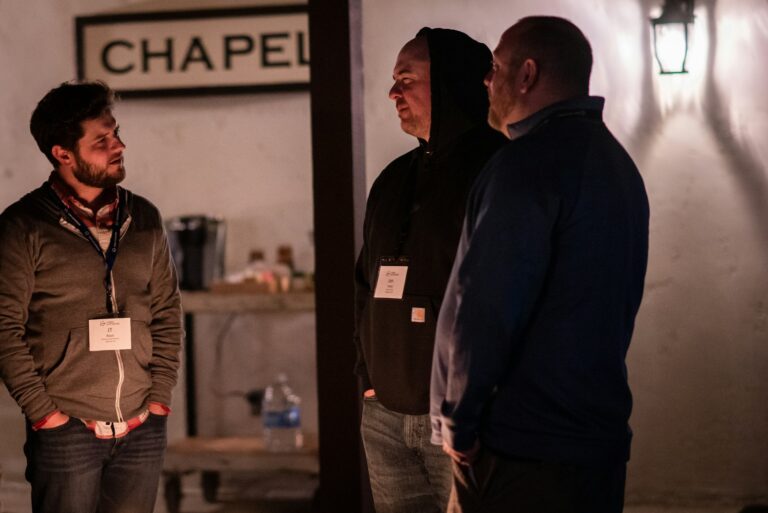
At Mission Save Montana, our founder serves as a chaplain at the Lewis and Clark County Detention Center in Helena. The work includes chapel services, personal conversations, biblical teaching, and discipleship with incarcerated men and women. Behind those visits is quieter support, including the preparation of Christian reading materials and care packets for people inside.
Serving in jail ministry in Montana has deepened our understanding of what it means to share the gospel with people in difficult circumstances. Some lessons have confirmed what Scripture already teaches; others have challenged our assumptions about how ministry should look. Here are the lessons we keep returning to.
1. Every Person Is More Than a Charge, a Record, or a Mistake
A jail can make it easy for the outside world to see people only through the circumstances that brought them there. Yet no person can be reduced to a booking number, an accusation, a conviction, or the worst decision of his or her life. Some people in county detention centers are awaiting trial and have not been convicted; others are serving sentences or awaiting transfer.
We have learned to begin with something more basic than a person’s legal situation: every human being is made in God’s image. That truth does not erase responsibility or make harmful choices unimportant. It does require us to speak and listen with dignity, even when difficult subjects come up.
Jesus said, “I was in prison, and ye came unto me” (Matthew 25:36). His words confront the temptation to forget people once they are out of public view. Christian concern should not stop where locked doors begin.
2. Listening Is Often the First Act of Ministry
It is tempting to arrive with a lesson ready and assume we already know what someone needs to hear. Teaching Scripture matters, but listening often reveals the question beneath the question. A discussion that begins with a Bible passage may bring up fear about family, uncertainty about the future, grief, guilt, or confusion about God.
James 1:19 tells us to be “swift to hear, slow to speak, slow to wrath.” That instruction has practical weight in a detention center. People do not need a volunteer who treats every conversation as a chance to deliver a speech.
Attentive listening also helps us avoid easy answers. We cannot repair a family relationship in a single visit or explain away the consequences of someone’s choices. Sometimes the faithful response is to listen carefully, share a fitting passage of Scripture, pray when welcomed, and allow room for the person to think.
3. The Gospel Must Be More Than Advice to Do Better
Jail ministry can easily drift into a message of self-improvement: make better choices, avoid old habits, find healthier friends, and stay out of trouble. Those are important goals, especially for anyone preparing to return to the community. None of them, however, is the gospel.
The good news begins with what Jesus Christ has done for sinners. Scripture says, “But God commendeth his love toward us, in that, while we were yet sinners, Christ died for us” (Romans 5:8). Forgiveness is not earned through a perfect disciplinary record, a promise to change, or an impressive religious testimony.
That message does not make repentance optional. Rather, grace gives us a reason to speak truthfully about sin and to call people to turn to Christ in faith. We want the men and women we serve to understand both the seriousness of wrongdoing and the mercy offered through Jesus.
4. Shame and Responsibility Are Not the Same Thing
One lesson that deserves careful attention is the difference between honest conviction and crushing shame. A person may need to acknowledge serious harm, make restitution where possible, and accept lawful consequences. Yet that does not mean he or she must remain forever defined by guilt.
The Christian message neither excuses wrongdoing nor declares anyone beyond redemption. First John 1:9 says, “If we confess our sins, he is faithful and just to forgive us our sins, and to cleanse us from all unrighteousness.” Confession means telling the truth before God, not pretending the past never happened.
This distinction shapes how we speak. We should not offer cheap reassurance, especially when victims and families have suffered. At the same time, we should never imply that Christ’s mercy runs out at a prison gate. The invitation to repent and believe is real, even when rebuilding a life will be slow and difficult.
5. Consistency Speaks Before Any Sermon
Correctional settings involve changing schedules, restricted access, security requirements, and people moving in or out of a facility. A volunteer cannot control most of those realities. What we can control is whether we approach the commitment seriously.
Showing up as approved, preparing thoughtfully, respecting staff, and following through on permitted commitments communicate something important. They show that incarcerated people are not merely a ministry project or a passing interest. One visit can encourage someone; faithful service over time can make room for deeper conversations and discipleship.
Consistency also requires honesty about limits. If we cannot make a visit, provide a resource, or arrange a meeting, we should not promise it. Trust is better served by a modest commitment kept than a generous promise forgotten.
6. Humility and Healthy Boundaries Protect Everyone
A willing heart does not eliminate the need for training, discretion, or wisdom. Correctional officers, administrators, and chaplains carry responsibilities that outside volunteers must respect. Security procedures are not obstacles to work around; they are part of serving responsibly.
We have learned that compassion and boundaries belong together. Volunteers should follow facility rules about communication, gifts, personal information, and contact after release. Sensitive concerns must be handled through appropriate channels, and no volunteer should promise confidentiality beyond what policy and law allow.
It is also important to know what ministry cannot provide. We are not lawyers, therapists, or substitutes for trained recovery professionals. Sometimes love looks like directing someone to the appropriate staff member or qualified service rather than attempting to solve every problem ourselves.
None of this makes ministry cold. Good boundaries help preserve the trust and safety that allow compassionate service to continue.
7. Small Resources Can Carry Meaning Beyond Their Size
Not every expression of Christian care happens during a chapel service. Our ministry also prepares Christian reading materials and care packets for distribution inside the detention center. That work takes place away from the conversations, but it is still part of caring for people who might otherwise feel forgotten.
A Bible passage to revisit, a thoughtful devotional resource, or an approved care item can offer encouragement after a visit has ended. Such materials should be useful, biblically sound, and appropriate to the facility’s rules. Their value comes less from expense than from the care taken in preparing them.
Scripture says, “Bear ye one another’s burdens, and so fulfil the law of Christ” (Galatians 6:2). Nobody can carry another person’s entire burden, but many believers can share in the work. Some are called to teach or visit; others may pray, prepare resources, encourage volunteers, or help with practical needs.
8. Spiritual Growth Is Not Always Easy to Measure
People naturally want to hear that a ministry visit led to an immediate decision, a dramatic testimony, or a permanently changed life. We rejoice when someone expresses faith in Christ, asks to study the Bible, or takes a meaningful step toward repentance. Still, lasting discipleship is not something we can certify from a single conversation.
Some questions take time. Old patterns may be deeply established, and the pressures of incarceration can make spiritual responses difficult to interpret. Our responsibility is to communicate Scripture faithfully, invite genuine repentance and faith, and encourage continued growth without manufacturing a success story.
Paul wrote, “Therefore if any man be in Christ, he is a new creature: old things are passed away; behold, all things are become new” (2 Corinthians 5:17). New life in Christ is a wonderful promise, not a reason to expect every practical struggle to vanish overnight. We want to encourage hope while remaining patient, truthful, and committed to discipleship.
9. The Need Does Not End at Release
The day someone leaves a detention center may be joyful, frightening, or both. Outside, ordinary responsibilities return quickly: finding work, arranging transportation, rebuilding family relationships, addressing addiction, and figuring out where to belong. For some people, those challenges are significant even when they sincerely want to live differently.
This has reminded us that jail ministry should not be separated from the life of the local church. A healthy congregation can offer worship, teaching, accountable friendships, and steady encouragement. Reentry organizations and qualified community services may also be essential, particularly when housing, treatment, or employment needs are involved.
Not every volunteer can provide long-term mentoring, and no church can meet every need. Even so, introducing someone to a trustworthy Christian community, when welcomed and permitted, may be more valuable than a one-time inspirational conversation. The aim is not dependence on one chaplain or volunteer, but growth toward a faithful life rooted in Christ and supported by His people.
10. Montana Needs More Christians Willing to Serve Locally
Montana’s distances make volunteer ministry challenging. Smaller communities may have limited access to regular religious programming, and county detention centers are easy to overlook when people think only of larger prisons. Yet meaningful opportunities can exist close to home.
We have become increasingly convinced that more local churches and individual believers should prayerfully consider the detention centers in their own counties. Not everyone is equipped or approved to go inside, but more people can ask questions, support established ministries, and help identify real needs without assuming someone else has everything covered.
Hebrews 13:3 urges believers, “Remember them that are in bonds, as bound with them; and them which suffer adversity, as being yourselves also in the body.” Remembering should lead us toward thoughtful action, not merely passing sympathy. For one Christian that might mean becoming an approved volunteer; for another it might mean supporting a chaplain, preparing permitted materials, or welcoming a person into a church after release.
Want to Help With Jail Ministry in Your Montana Community?
If you have felt drawn toward correctional ministry, begin with prayer and a conversation with your pastor. Then contact your local detention center or its chaplaincy coordinator to learn whether volunteers are needed, what programs already exist, and what approval or training is required. Every facility has its own procedures, so entering the work responsibly matters.
We would also be glad to hear from you. If you want to get involved in your own county detention center anywhere in Montana, reach out to Mission Save Montana. We can share what we have learned, help you think through your first steps, and explore ways to connect with or support faithful local ministry. Although we cannot guarantee placement or access, we are willing to encourage Christians who want to serve.
For more practical information, read our guide to prison ministry in Montana, including opportunities in jails, prisons, and reentry settings.
Serving behind jail walls has not taught us that we possess all the answers. It has taught us to return to the essentials: see people as people, listen with care, speak truthfully about sin and grace, respect the setting, and keep pointing to Jesus Christ. The doors may be locked, but the call to share His gospel has not changed.
Most Recent ArticleS:
-
The Greatest Needs Facing Christian Ministries in Montana
Montana ministries face urgent needs in evangelism, discipleship, rural outreach, compassion, cooperation, volunteers, and faithful long-term support.
-
10 Ways Christians Can Serve Their Communities in Montana
Discover ten practical, biblical ways Christians can serve neighbors, strengthen churches, and share Christ across Montana communities.


Find Other Useful Christian Resources Here: Recommended Resources. For In-Depth Bible Study, Check Out: The Good Way Library.